Turn Biological Data Into Scientific Insight
BioNexus Discovery provides computational bioinformatics workflows for analyzing, integrating, and interpreting complex biological datasets from genomics and transcriptomics to proteomics, multi-omics, and biological network analysis.
Whether you are working with sequencing data, expression matrices, protein information, or integrated multi-omics datasets, we help turn complex biological data into interpretable research insights.
What BioNexus Provides
We support researchers, biotech teams, and data-driven life science projects with bioinformatics analysis that transforms raw biological data into clear, usable scientific interpretation.
Our service is designed to help you move from data generation to decision-making with workflows tailored to your research question, dataset type, and downstream goals.
- Genomic and transcriptomic analysis
- Proteomic and pathway-focused interpretation
- Multi-omics integration and biological network analysis
- Reporting that supports research communication and next-step planning
How the Bioinformatics Workflow Works
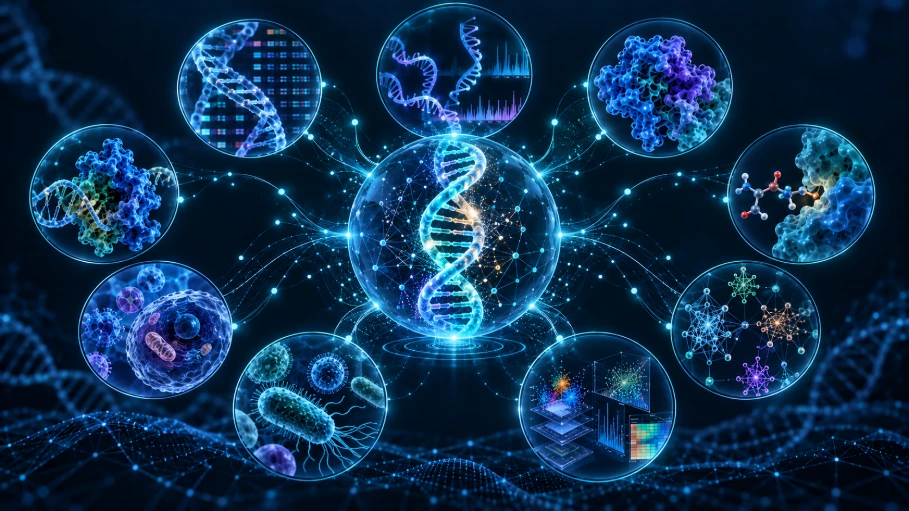
A visual overview of the workflow from raw biological data to meaningful scientific insights.

Who This Service Is For
BioNexus is built for research teams that need scientific clarity, not just data output.
Academic researchers
Working on genomics, transcriptomics, proteomics, or systems biology studies.
Biotech and diagnostics teams
Needing reliable interpretation for discovery, validation, and translational work.
Data-rich life science projects
Seeking integration across datasets to identify patterns, signatures, and biological meaning.
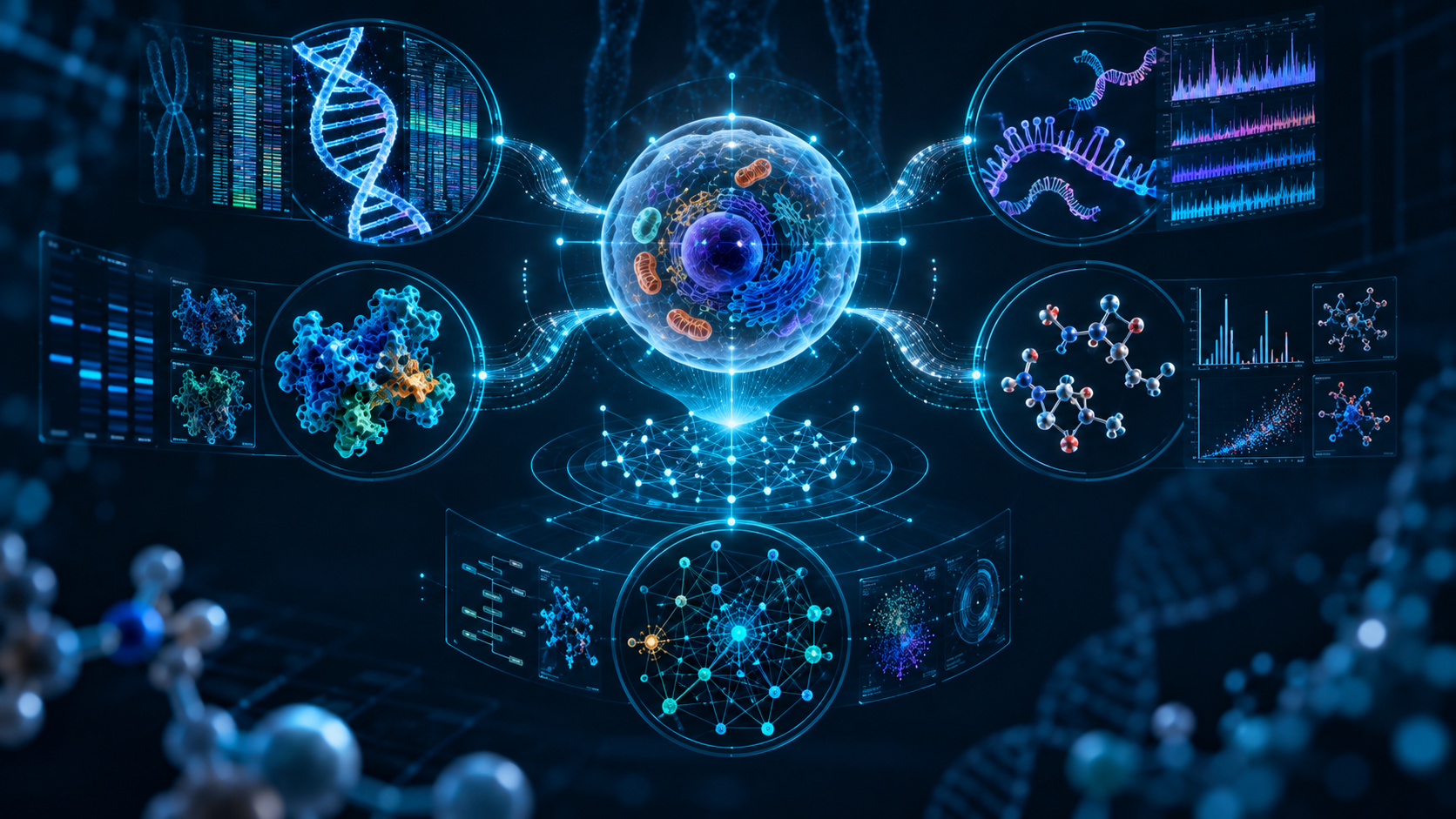
Multi-Omics Integration
Connect different layers of biology into one coherent analytical story.
We help align signals across datasets so you can understand how genes, transcripts, proteins, pathways, and networks work together.
- Cross-dataset interpretation
- Comparative biological pattern analysis
- Pathway and network-level insights
Built Around Your Research Question
Every project starts with the biological question, dataset context, and desired scientific outcome.

How the Bioinformatics Workflow Works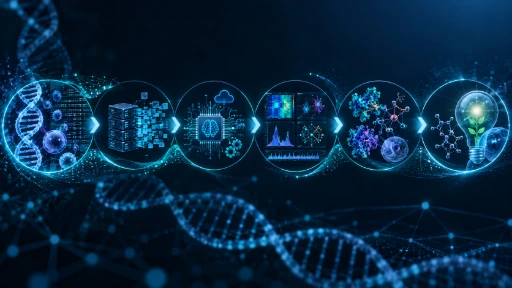
Clarify the biological question and analytical scope.
Assess formats, quality, and the best computational approach.
Apply the relevant bioinformatics workflow and interpret the results.
Provide understandable outputs that support research next steps.
What Types of Data Can Be Analyzed
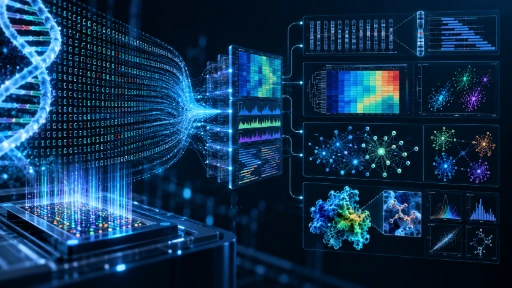
We work with diverse biological datasets to uncover structure, trends, and meaning.
- Sequencing data and expression matrices
- Transcriptomic and differential expression results
- Protein and pathway-related datasets
- Integrated multi-omics evidence
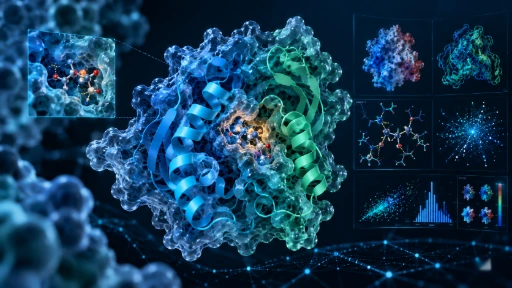
Protein and Molecular Analysis
Add structure-aware interpretation to your biological analysis.
We support protein-focused work that helps connect molecular structure, function, and biological relevance within a broader research context.
Bioinformatics Applications
From discovery to interpretation, our work supports practical scientific use cases.
- Biomarker discovery
- Pathway and network analysis
- Comparative biological interpretation
- Publication and project support
Why BioNexus Is Different
We focus on scientific usefulness, not just technical processing.
Research-first thinking
Every output is framed around the biological question and the interpretation needed next.
Complex data made clear
We help convert dense analytical results into language that supports action and discussion.
Flexible project support
Whether your project is exploratory, comparative, or publication-driven, we adapt the workflow.
Ready to discuss your data?
Share your research question and dataset, and we will help define the right bioinformatics approach.
Frequently Asked Questions
Scientific Bioinformatics Support for Modern Life Science Research
BioNexus Discovery offers bioinformatics services for researchers who need to analyze complex biological data, integrate multiple omics layers, and turn results into meaningful interpretation. Our approach supports sequencing analysis, molecular analysis, biological network interpretation, and multi-omics research workflows with a focus on clarity, credibility, and scientific usefulness.