Skip to Content
SCIENTIFIC SERVICES

Molecular Docking

Structure-Based Computational Analysis of Protein–Ligand Interactions

BioNexus Discovery provides molecular docking and structure-based computational workflows to investigate protein–ligand interactions, compare candidate compounds, and support early-stage drug discovery.

Request a Quote  Discuss Your Project 

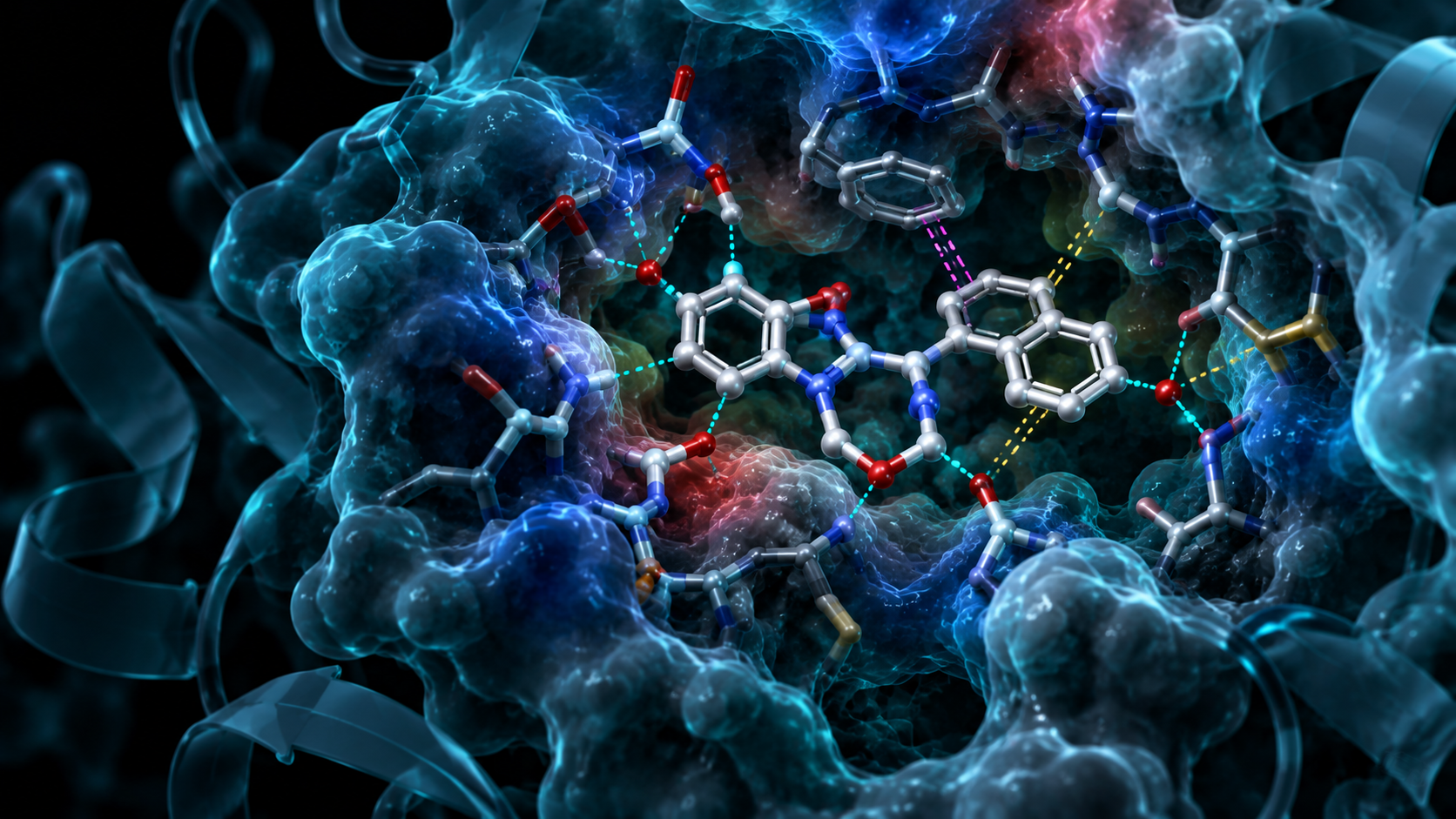
 Molecular docking visualization of a ligand bound to a protein binding site

What Molecular Docking Enables

A structure-based approach for exploring potential protein–ligand interactions and prioritizing candidate molecules.

01

Binding Pose Prediction

Predict plausible orientations of candidate molecules within a target binding site.

02

Interaction Profiling

Examine potential molecular interactions between ligands and relevant target residues.

03

Candidate Prioritization

Compare computational evidence to help prioritize compounds for further investigation.
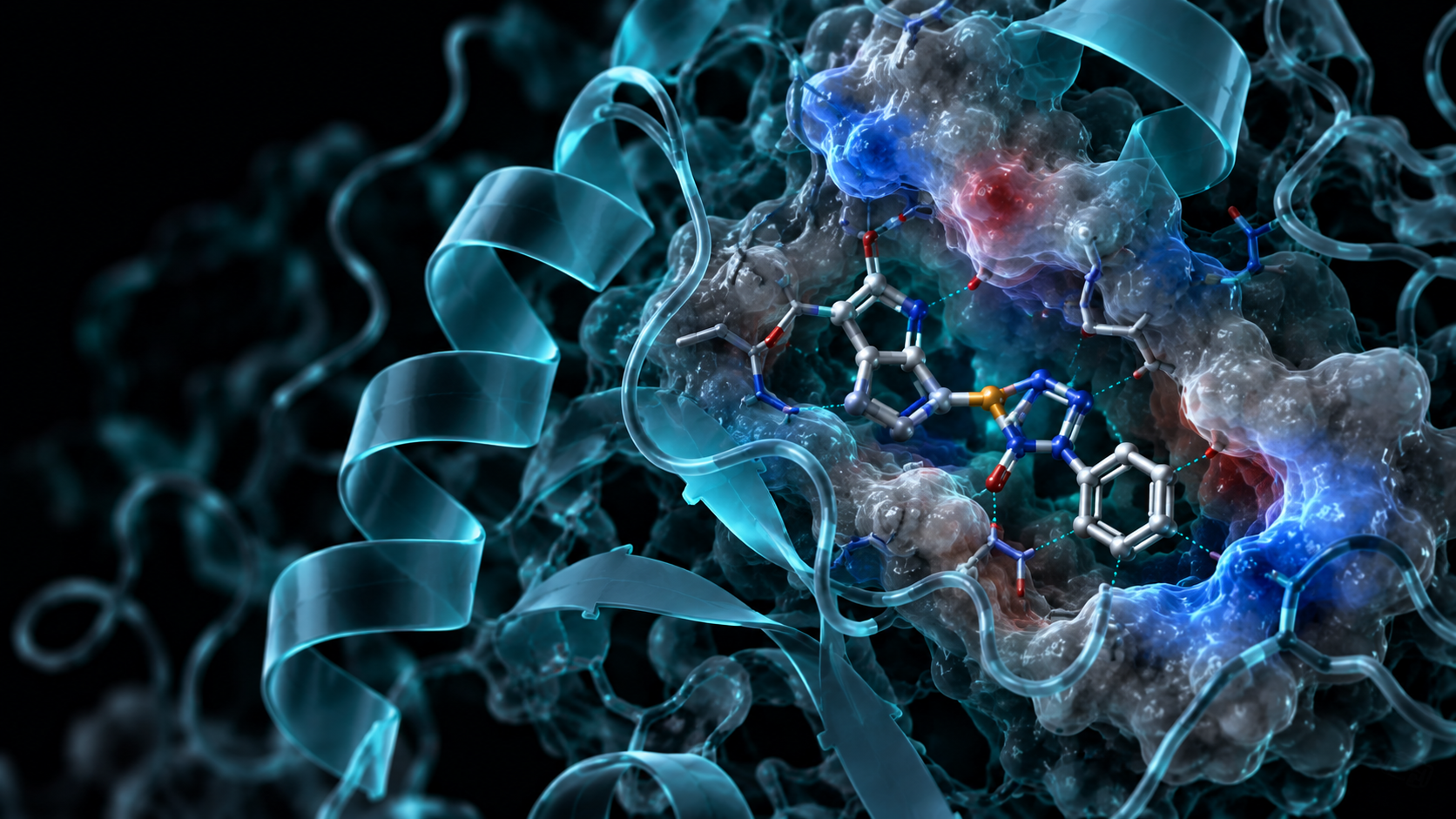
Protein-ligand interaction visualization for molecular docking analysis
Interaction analysis

BEYOND THE DOCKING SCORE

Beyond the Docking Score

A docking score alone does not provide a complete picture of a molecular interaction.

BioNexus Discovery emphasizes interpretation of predicted binding poses, interaction patterns, and structural context alongside computational scores and relevant molecular evidence.

01 — Hydrogen Bonds

Explore potential hydrogen-bond interactions between candidate ligands and target residues.

02 — Hydrophobic Interactions

Investigate hydrophobic contacts that may contribute to predicted ligand positioning within a binding region.

03 — Electrostatic Interactions

Examine potential electrostatic relationships between molecular components.

04 — π–π Interactions

Identify potential aromatic interactions where structurally relevant.

05 — Other Molecular Contacts

Consider additional relevant contacts that may contribute to the predicted interaction profile.

Interaction profiles depend on the molecular system, target structure, ligand, preparation method, and computational workflow. Not every project will identify every interaction type.

From Target Structure to Actionable Insight

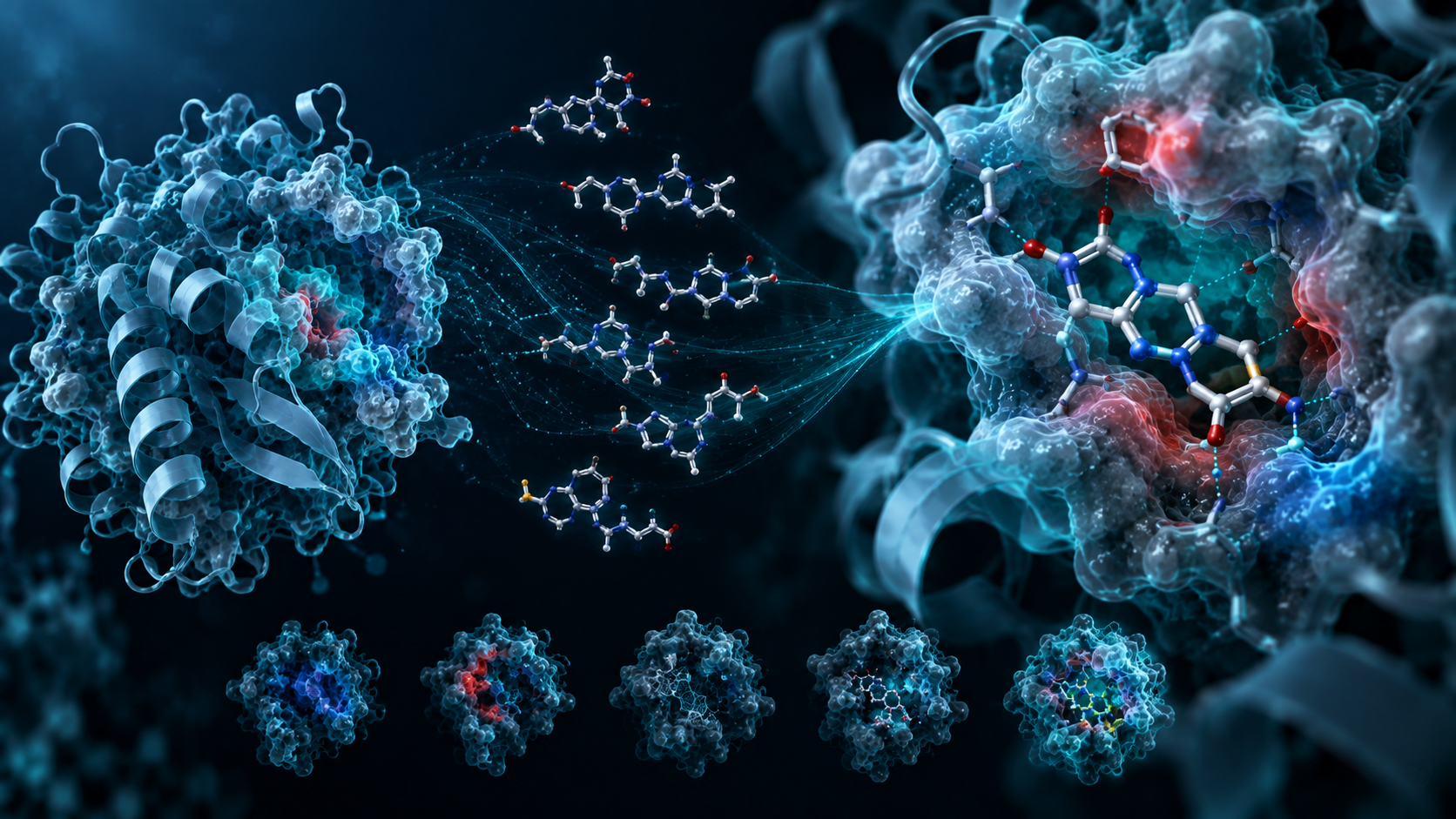
A streamlined workflow designed to deliver clear, decision-ready computational outputs.Virtual screening and protein-ligand interaction analysis
1. Target Preparation

Structure curation, binding-site definition, and preparation of the receptor model.

2. Ligand Preparation

Compound formatting, conformer setup, and readiness checks for computational evaluation.

3. Docking Execution

Run docking calculations to explore likely binding poses and ranking trends.

4. Interaction Review

Interpret pose quality, residue contacts, and comparative scoring to support prioritization.

What You Receive

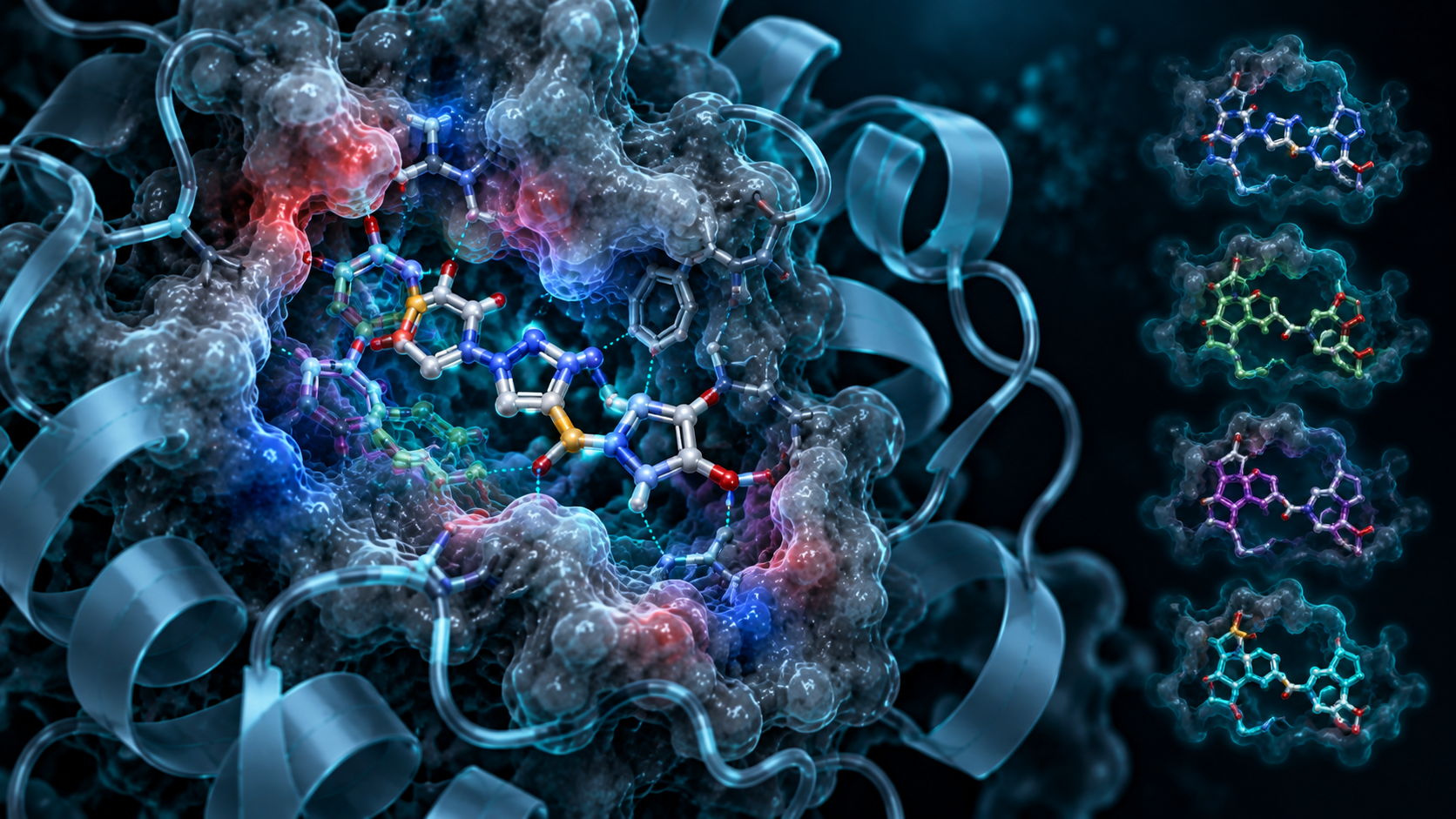
Concise, structured outputs that can support internal review, reporting, and next-step planning. Protein binding site and ligand interaction visualization
Docking Summary

A focused overview of the computational findings and the most relevant candidate poses.

Interaction Analysis

Key binding interactions and residue-level observations described in a decision-friendly format.

Candidate Ranking

Comparative prioritization of molecules based on the selected computational workflow.

Project Discussion

Clear recommendations for possible next steps, refinement, or follow-up analysis.

Where Docking Adds Value

Useful across hit evaluation, lead exploration, and structure-guided prioritization workflows.
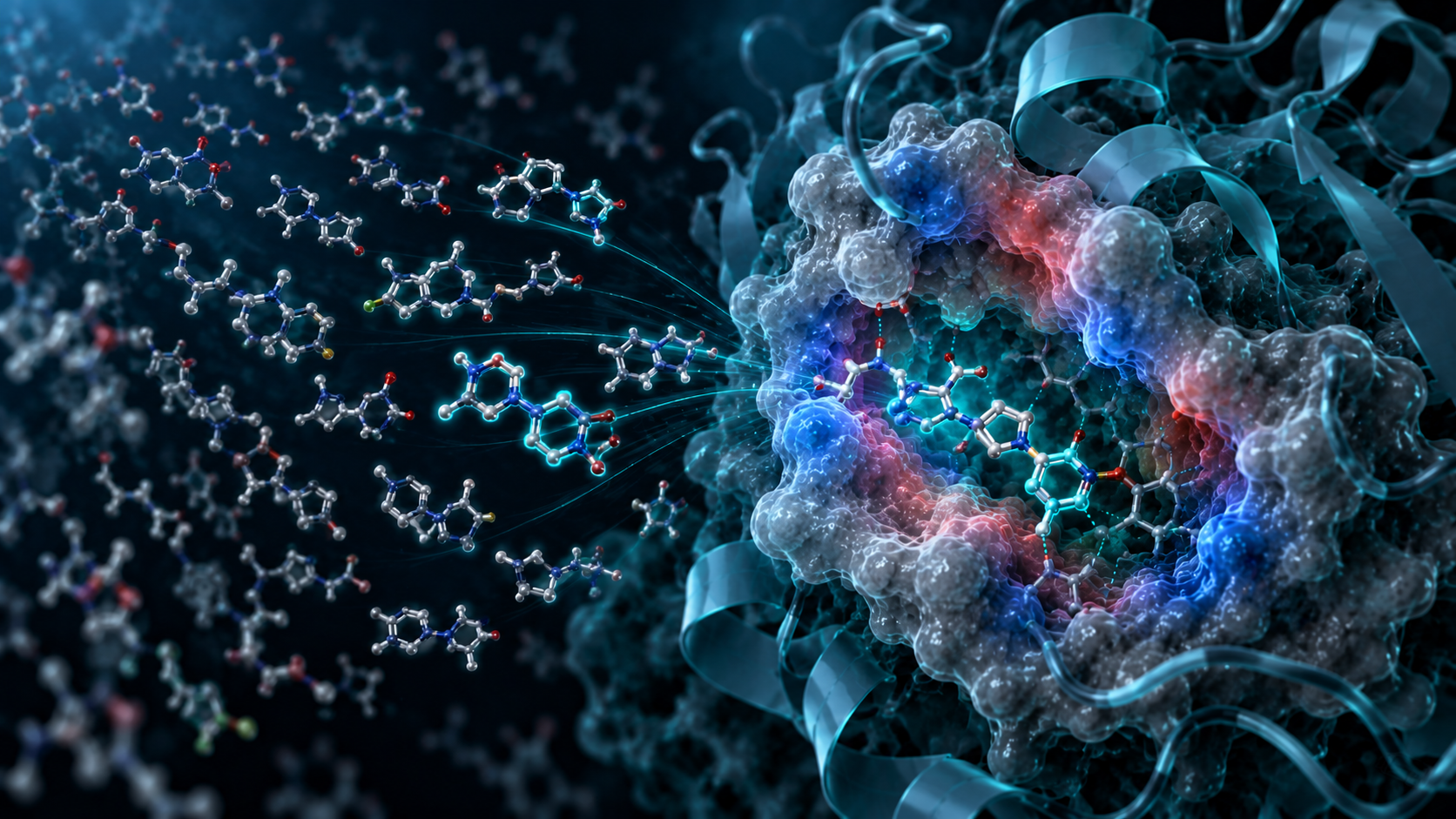
Computational screening of drug-like molecules against protein targets

  • Hit identification and early compound screening


  • Lead optimization support


  • Target-focused candidate comparison


  • Interpretation of binding-site trends


  • Prioritization before more resource-intensive studies

Why BioNexus Discovery

A consultancy-style approach built around clarity, scientific rigor, and practical decision support.

• Structure-based interpretation, not just scoring

• Clear scientific communication for teams and stakeholders

• Tailored workflows aligned with project needs

• Premium presentation suitable for pharmaceutical and biotech contexts

Frequently Asked Questions

Frequently Asked Questions

Common questions about molecular docking, computational workflows, interpretation, and research applications.

01What is molecular docking?
Molecular docking is a computational method used to explore how a ligand may fit within a protein binding site and to evaluate predicted binding poses and interaction patterns.
02What can BioNexus Discovery analyze using molecular docking?
BioNexus Discovery can support protein–ligand docking studies, binding-site analysis, interaction profiling, virtual screening, comparative compound evaluation, and computational prioritization of candidate molecules.
03Can BioNexus perform virtual screening?
Yes. BioNexus Discovery can apply molecular docking workflows to screen multiple compounds against a selected protein target and prioritize candidates based on predicted poses, docking scores, and interaction profiles.
04What information is needed to start a docking project?
Depending on the project, useful inputs may include a protein structure or target information, ligand structures or a compound library, the proposed binding site, and the scientific objective. BioNexus Discovery can also help assess and prepare these inputs before computational analysis.
05Can you analyze protein–ligand interactions beyond the docking score?
Yes. We evaluate predicted binding poses and relevant interaction patterns, including hydrogen bonds, hydrophobic contacts, electrostatic interactions, π–π interactions, and other structurally relevant contacts where appropriate.
06Can molecular docking identify the best drug candidate?
Docking can help prioritize candidates based on computational evidence, but it cannot establish clinical efficacy or experimentally measured binding affinity. Results should be integrated with additional computational, biochemical, pharmacological, and experimental evidence.
07Can BioNexus support publication-oriented molecular docking studies?
Yes. BioNexus Discovery can support study design, computational workflows, molecular interaction analysis, visualization, interpretation, figure preparation, and scientific reporting for research and publication-oriented projects.
08Can BioNexus combine docking with other computational analyses?
Yes. Molecular docking can be integrated with complementary approaches such as virtual screening, cheminformatics, ADMET assessment, molecular interaction analysis, molecular dynamics, and other appropriate computational methods depending on the research question.
09Can BioNexus help with experimental validation after docking?
Yes. BioNexus Discovery can help translate computational findings into experimentally testable hypotheses and support research planning. Where appropriate, we can help coordinate experimental formulation, characterization, biological testing, and validation through suitable laboratory facilities and research collaborations.
10How do I start a molecular docking project with BioNexus Discovery?
You can contact BioNexus Discovery or submit a project inquiry with your target, compounds, research objective, and expected outcomes. Our team can then review the project requirements and recommend an appropriate computational workflow and deliverables.

Discuss Your Molecular Docking Project

Share your target, compounds, and project objectives, and we will help define the right computational workflow.

Request a Quote → Discuss Your Project →