01
What nanoformulation research does BioNexus support?
BioNexus supports research involving formulation design, nanocarrier systems, encapsulation analysis, physicochemical characterization, release behavior, stability considerations, bioavailability considerations, computational modeling, and data-driven formulation optimization.
02
Can BioNexus work with an existing formulation?
Yes. We can support projects starting from an existing formulation, experimental dataset, characterization results, or research hypothesis. The workflow can be adapted to the current stage of the project.
03
What types of nanocarrier systems can you support?
The appropriate nanocarrier depends on the active compound, research objective, delivery route, formulation constraints, and available evidence. BioNexus provides scientific and computational support for evaluating and comparing suitable formulation strategies rather than assuming one carrier is appropriate for every compound.
04
Can you analyze TEM or microscopy images?
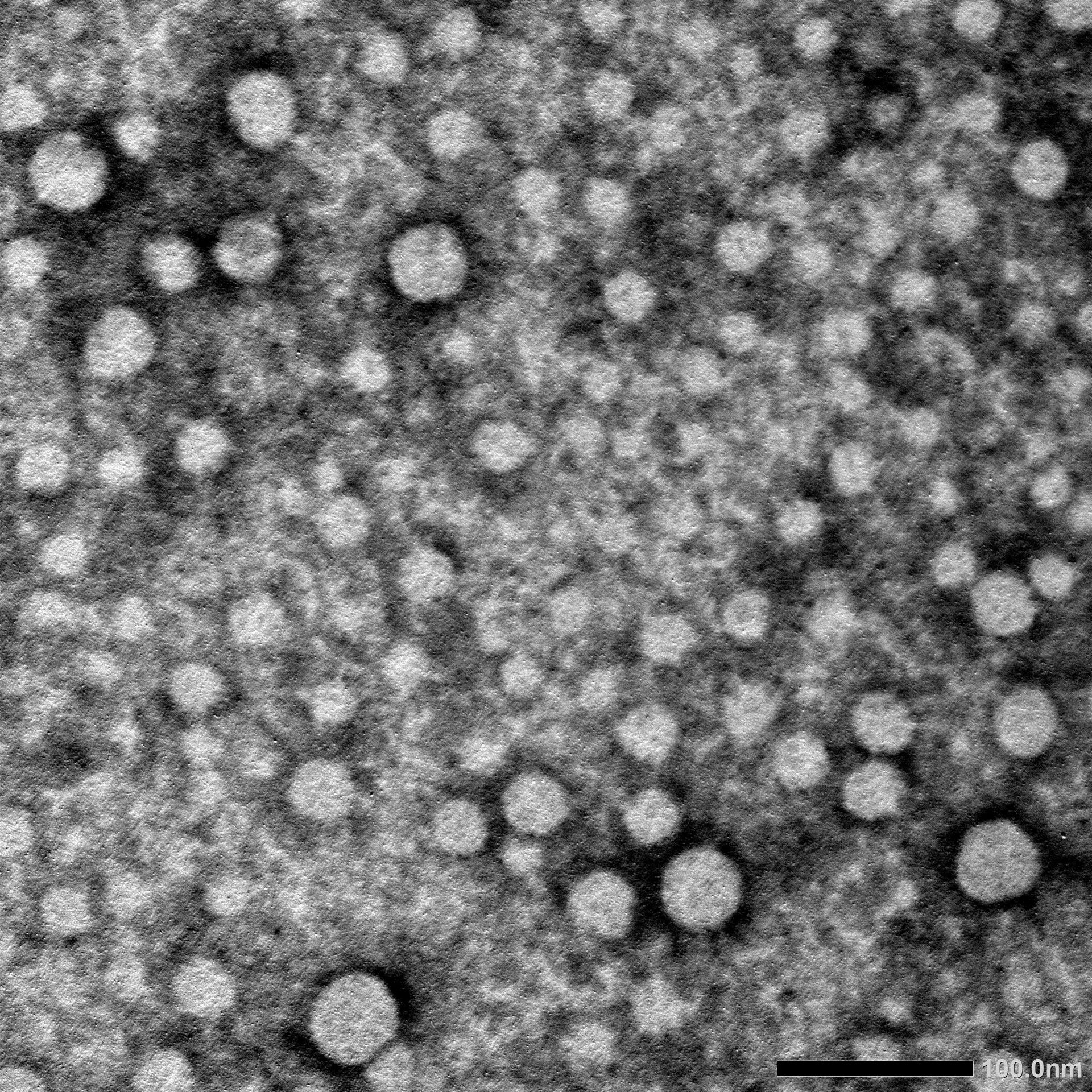
Yes. Microscopy data can be incorporated into the characterization workflow to support interpretation of particle morphology, apparent size distribution, surface features, and formulation-related observations. Quantitative conclusions should be based on appropriately acquired and calibrated experimental data.
05
Can BioNexus help analyze encapsulation efficiency and release data?
Yes. Encapsulation and release datasets can be analyzed and interpreted to identify formulation behavior, compare experimental conditions, examine trends, and support subsequent formulation decisions.
06
Can computational modeling be integrated with experimental formulation research?
Yes. Computational analysis can be integrated with experimental observations to investigate relationships between molecular, formulation, and experimental variables and to support evidence-based optimization.
07
Can BioNexus help with formulation optimization?
Yes. We can help structure formulation variables, analyze experimental outcomes, identify meaningful relationships, and develop evidence-based directions for formulation refinement. Optimization recommendations depend on the quality and scope of the available data.
08
What do we receive at the end of a project?
Depending on the project scope, outputs may include formulation strategy, characterization interpretation, data analysis, visualization, computational analysis, optimization insights, structured scientific documentation, and research recommendations.
09
Can BioNexus support academic research and publications?
Yes. BioNexus can provide scientific analysis, computational support, visualization, interpretation, and research documentation that may contribute to academic research and publication workflows. Publication outcomes depend on the scientific work, study design, data quality, and journal requirements.
10
How do we start a nanoformulation project?
Start by sharing your active compound or research question, formulation objective, available experimental data, characterization results, and current stage of development. The BioNexus team can then assess the project requirements and recommend an appropriate scientific workflow.
11
Can BioNexus help prepare formulations and perform experimental studies?
Yes. For suitable projects, BioNexus can support formulation preparation and experimental research in Alexandria University laboratory facilities, subject to laboratory access, project requirements, institutional procedures, and applicable approvals.
Support can extend across the experimental workflow, including formulation preparation, physicochemical characterization, microscopy-based analysis, particle-size assessment, encapsulation efficiency, release studies, stability evaluation, and other relevant analytical or experimental assays.
BioNexus can also help researchers design experiments, organize protocols, interpret characterization results, analyze experimental data, and connect experimental findings with computational and formulation optimization strategies.